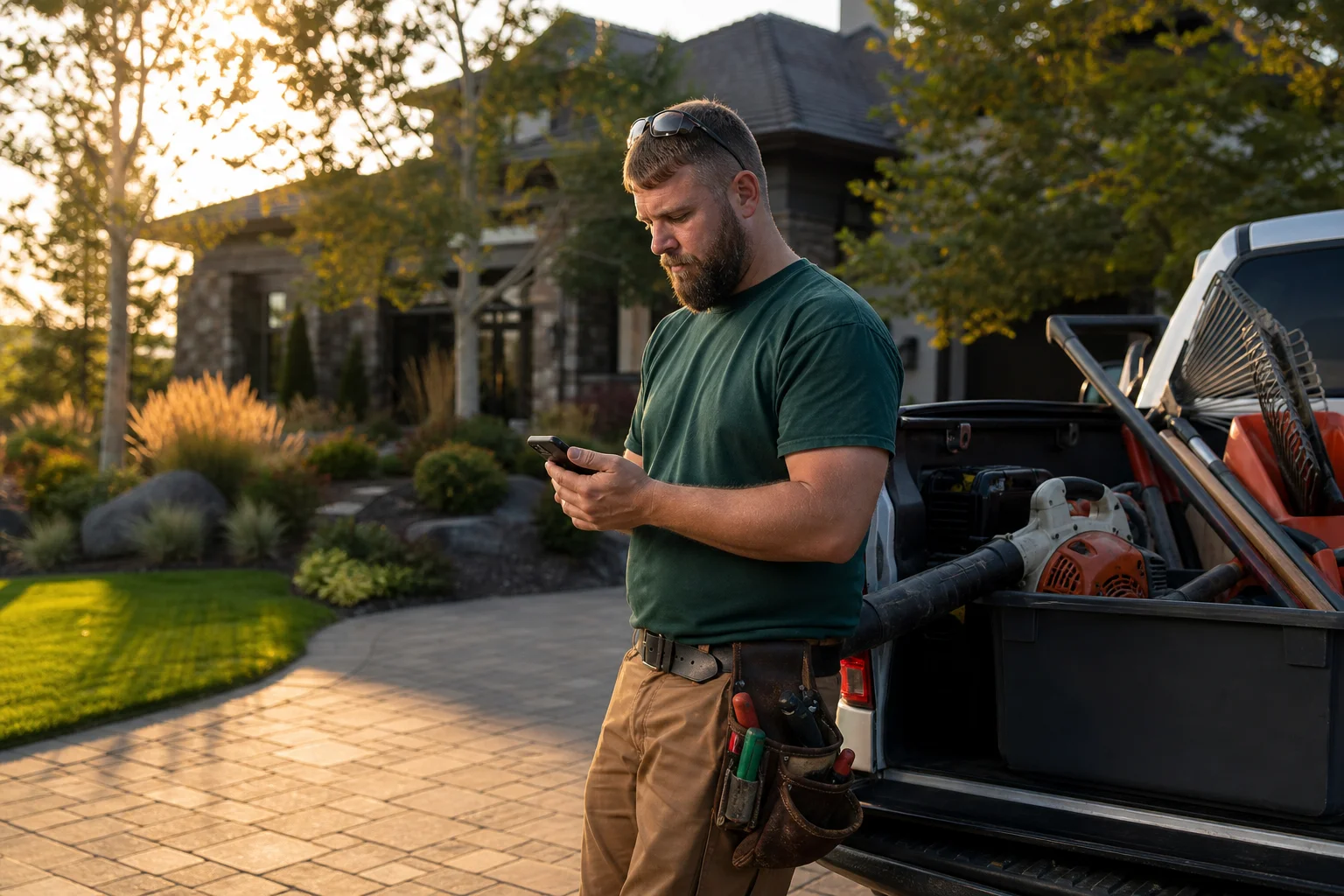
The real reason your HVAC lead form is burning Phoenix ad spend is a disconnect between what your ad promises and what your page actually delivers. Most HVAC contractors blame the platform or the bid strategy. The real problem sits on the page those clicks land on, and it compounds every month the form stays broken.
By Brotherly SEO Team
Why Phoenix Is a Punishing Market for HVAC Ad Budgets
Phoenix summers create genuine urgency. When a homeowner notices a burning smell from their AC unit, or their air conditioner just stops cooling mid-July, they are not comparison shopping. They are searching right now. They will fill out the first contact form that loads fast and looks credible.
That urgency also makes this market expensive. Most HVAC contractors in the Phoenix metro bid against each other on the same search terms in Google Ads. Cost per click climbs when competition is dense. Every wasted click on the wrong landing page or a broken form is a real dollar that produced nothing.
Most HVAC businesses blame their Google Ads budget when leads are thin. But the budget is usually not the core problem. The form and the page it lives on are. The real reason your HVAC lead form is burning Phoenix ad spend has less to do with what you are spending and more to do with what happens after the click.
Why Your HVAC Lead Form Is Burning Phoenix Ad Spend
A homeowner who finds you in search results during a Phoenix heat emergency is ready to act. They found your ad. They clicked it. They are on your page. If the form asks for their name, phone number, email, service address, unit age, type of air conditioner, preferred appointment window, and a message, most of them are gone before they finish typing.
Research from the Baymard Institute (2023) found that form abandonment increases significantly on mobile after four fields. In a market where most HVAC searches happen on a phone during a summer emergency, that is not a minor friction point. It is a consistent conversion failure you are paying for every single day.
Most hvac contractors also miss what happens after the form. If the confirmation page says nothing specific, or the follow-up call comes six hours later, the homeowner has already booked with someone else. The form experience runs from the first field all the way to the first callback. Most businesses only optimize the first part, then wonder why their cost per lead is high.
The fix is not to spend more. It is to build a form that converts the clicks you are already buying.
How Service Area Targeting Bleeds Your Budget Quietly
Your service area is one of the most important variables in a Google Ads campaign for HVAC, and it is one that most businesses set once and never revisit. If your targeting covers all of Maricopa County but you only run jobs in Chandler, Mesa, and Tempe, you are paying for clicks from ZIP codes you can never convert.
This is common. A campaign gets launched with a broad radius around the business address during initial setup. Months go by. The cost per lead looks high, and the assumption is that the market is just expensive. The waste is geographic, and it is silent.
Tightening service area targeting to match where you actually book heating and cooling jobs is one of the fastest levers in any HVAC campaign cleanup. When you stop paying for clicks you cannot win, every dollar left in the budget produces more.
What Landing Pages Have to Do With Cost Per Lead
Most hvac contractors send paid traffic to their homepage. The homepage is not a landing page. It has navigation links, multiple service categories, team photos, testimonials in a rotating slider, and a blog section. A homeowner who clicked a specific ad about air conditioning repair in Chandler now has to figure out where to go.
They do not figure it out. They leave.
A proper landing page in HVAC marketing has one job: turn the click into a form fill or a phone call. That means the headline matches the ad copy. The phone number is visible at the top without scrolling. The form has three to four fields. One review quote is visible. One clear button.
That is the entire page. Every extra element is friction, and friction has a direct cost. It shows up in your cost per lead number every single month.
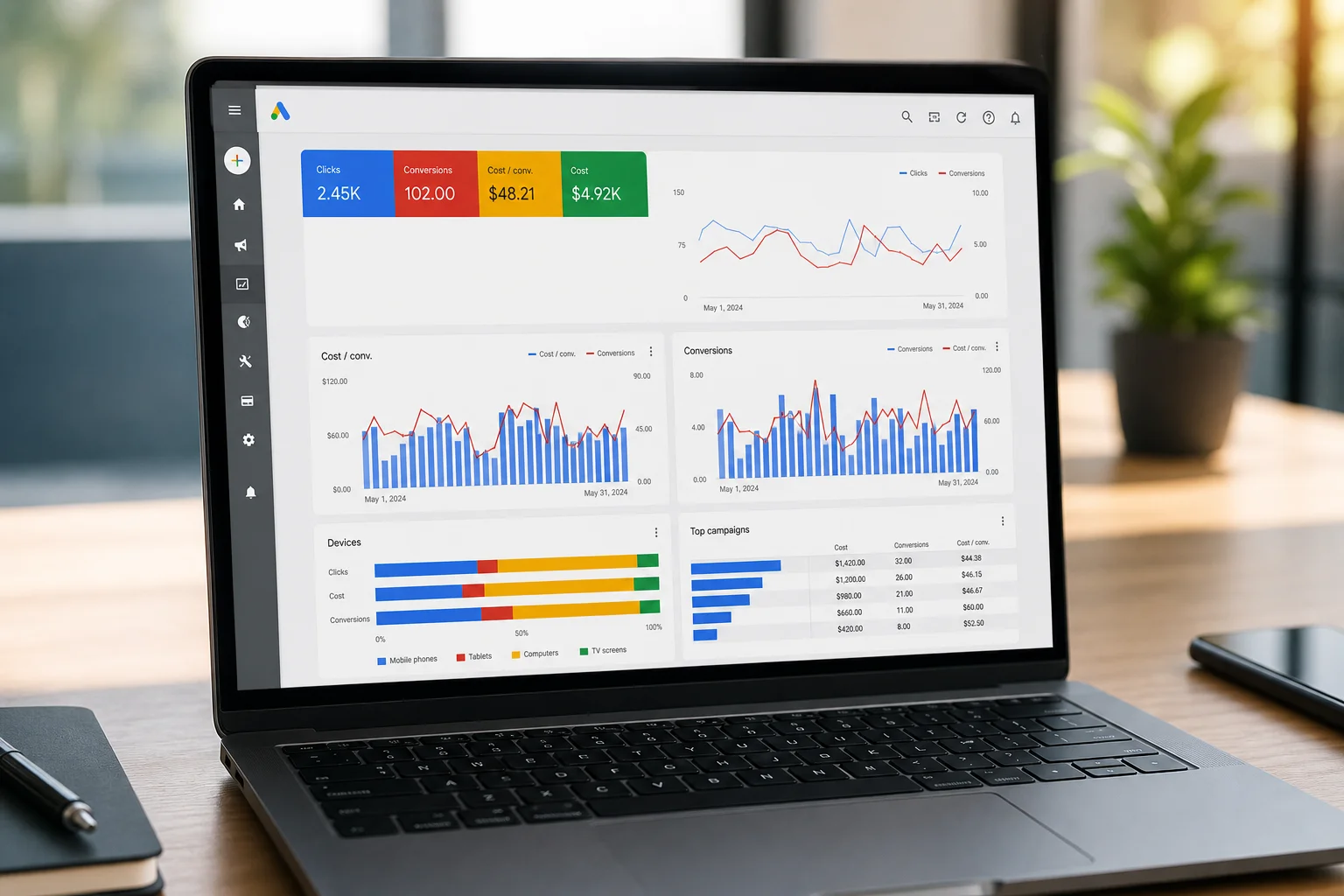
Our digital marketing work for home services businesses centers on this principle: every element on the page has to earn its place by moving the visitor toward the phone or the form. Nothing more, nothing less.
How HVAC Marketing Works When the Full Chain Connects
Good hvac marketing is a system. It runs from the search results impression through the click, the landing page, the form, the confirmation, and the follow-up call. Most hvac contractors optimize one or two pieces of that system and leave the rest unmanaged.
Here is what the full chain looks like when it works correctly. The ad matches the search intent. If a homeowner is searching for air conditioning repair after noticing a burning smell or a motor running loud, the ad says air conditioning repair, not "full HVAC services." The landing page matches the ad. The form collects only what is needed to schedule the job. A confirmation tells the homeowner what happens next and when. A follow-up call or text arrives within fifteen minutes.
When each step matches the one before it, cost per lead drops and close rates improve. Seasonal variation matters too. What converts well during summer months for cooling calls is different from what works in winter for heating maintenance and system checks. The system has to be managed through those shifts, not set and forgotten.
Most small HVAC operations run into a wall here. They can run the business or they can manage digital marketing at a high level. Doing both well at the same time is genuinely hard.
Our local SEO and paid media work is built for exactly this situation: the HVAC contractor who knows their craft and needs a partner who runs the marketing end so they can focus on running jobs.
Frequently Asked Questions
Why does my HVAC landing page matter if my ads are getting clicks?
Clicks are traffic, not leads. A landing page converts traffic into form fills and phone calls. If your page is slow, cluttered, or the form has too many fields, visitors leave without converting. Every click you paid for that bounces is budget that produced nothing. The landing page is where your Google Ads spend either returns a lead or disappears completely.
How many fields should my HVAC lead form have?
Three to four fields is the target for high conversion. Name, phone number, and a brief description of the service issue (heating, air conditioning, maintenance) is enough to qualify a lead and book the call. Research from the Baymard Institute (2023) confirms that abandonment increases significantly after four fields on mobile, where most HVAC searches originate during summer emergencies.
What does cost per lead mean for HVAC businesses running ads?
Cost per lead is your total ad spend divided by the number of qualified leads generated. If a form improvement lifts your conversion rate without changing your budget, your cost per lead drops directly. A shorter, faster form is the highest-leverage variable in HVAC digital marketing, and it is the one most hvac contractors overlook while adjusting bids and keywords.
Why is service area targeting so important in Google Ads for HVAC?
Service area targeting determines which locations trigger your ads. If your targeting is wider than your actual coverage zone, you pay for clicks from areas where you cannot book jobs. Auditing and tightening your service area to match your real coverage is one of the first steps in any HVAC campaign cleanup and one of the fastest ways to lower cost per lead.
Can fixing a lead form actually prevent wasted ad spend?
Yes. A better form converts more of the clicks you are already buying. Higher conversion rates mean more leads from the same budget, which directly lowers your cost per lead. We have seen form and landing page improvements reduce cost per lead significantly for hvac contractors in competitive Phoenix markets without any changes to the ad campaign or budget.
Stop Burning Your Phoenix HVAC Ad Budget on a Form That Does Not Convert
If your HVAC campaign is spending real money and your leads are soft, the form and the page it lives on are almost always the problem. We audit the full chain from ad copy to landing pages to lead response time, fix what is broken, and run it for you. Start with a free consultation.
Want us to do this for you?
Brotherly SEO builds and runs the strategy described here for service businesses across the country.
Book a free consultation