
Performance max in 2026 is the most capable Google Ads campaign type available to local businesses, and the easiest one to misuse. When the conditions are right, pmax campaigns drive customer acquisition at a cost no manual campaign can match. When they are not, the algorithm burns budget with no one to stop it.
By Brotherly SEO Team
How Performance Max in 2026 Actually Works
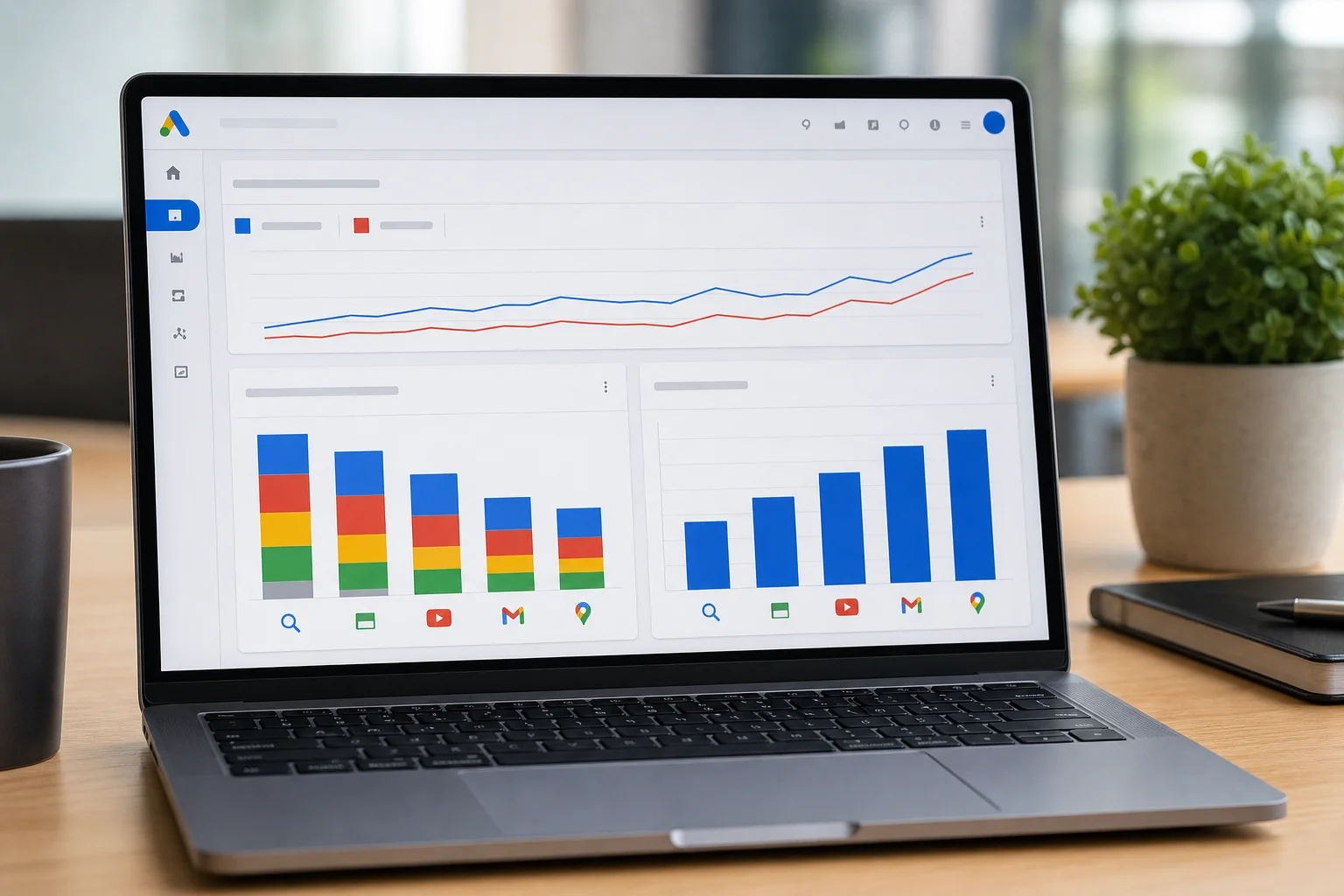
Performance Max campaigns give Google full control over where, when, and to whom your ads appear. One campaign covers Search, Display, YouTube, Discover, Gmail, Maps, and Shopping simultaneously. The algorithm decides placements, bids, and creative combinations, all aimed at your defined conversion goal.
That is both the promise and the problem. When a pmax campaign has good conversion data and strong creative assets, it finds new customers in places a manual campaign would never reach. When the data is thin or the conversion tracking is misconfigured, the same automation burns through budget without producing any meaningful return.
Performance max in 2026 rewards preparation over activation. Launching PMax without the right inputs in place is how businesses end up with a Google Ads budget that looks busy but produces nothing.
When Performance Max Campaigns Win
Understanding when PMax actually outperforms other campaign types is where most operators get it wrong. They see a Google Ads recommendation to upgrade to Performance Max and click yes without checking the conditions first.
You Have Real Conversion Volume
Performance max campaigns require meaningful conversion volume to leave the learning phase. Google's own guidance points to 30 to 50 conversions per month at the campaign level as the threshold for stable optimization. Below that number, the algorithm makes guesses rather than finding patterns.
We have seen this play out with service businesses that had strong search intent but low monthly volume. PMax allocated spend toward YouTube and Display inventory, where clicks were cheap and conversions were nonexistent, because the algorithm lacked enough signal to identify what actually drove customer acquisition.
If your account generates fewer than 30 conversions per month, build that conversion volume through standard Search campaigns first. Then introduce PMax when the data is there to support it.
You Have Creative Assets That Match Each Channel
YouTube will not run text ads. Display will not run your plain search headline. PMax blends all of these, so accounts that launch with only text assets end up with text-only ads everywhere, which limits reach and raises cost-per-click. Businesses that invest in short-form video, multiple image formats, and a variety of headline and description combinations give the algorithm real options to work with.
You Are Running Multi-Location or Wide-Area Campaigns
PMax performs well when geography is broad. Multi-location service businesses or regional brands benefit from the algorithm's ability to find demand signals across different zones, device types, and times of day, without manually segmenting every combination. For those accounts, pmax campaigns can uncover new customers in geographic pockets that a standard Search campaign would never reach.
When PMax Burns Your Google Ads Budget
No Negative Keywords, No Guard Rails
This is the most common and most costly failure mode. Negative keywords in PMax function differently than in standard Search campaigns. Until recently, campaign-level negative keyword exclusions were not available inside a pmax campaign at all. Google has added controls, but the keyword matching logic in Performance Max is still looser than most operators expect.
What that looks like in practice: a roofing company spending budget on anatomy-related queries unrelated to roof installation. A pest control company appearing for entertainment searches. An HVAC brand showing up for music-related queries. None of those clicks drive new customers.
Account-level negative keywords apply across all campaigns including PMax, but campaign-specific exclusions often require working directly with a Google rep or using shared exclusion lists. If negative keywords are not actively managed, the budget leak is quiet and consistent.
Conversion Tracking You Assumed Was Working
Broken conversion tracking is the fastest way to teach a pmax campaign bad habits. If your tag fires on every page load rather than only on confirmed form submissions, phone calls, or purchases, the algorithm sees every visit as a win and optimizes toward getting more of them. Conversion volume looks strong. Actual revenue does not.
Before running any PMax, verify that your conversion actions fire only on the events that matter. A thank-you page view is not the same as a sale. A soft metric is not the same as customer acquisition.
Gmail Maps and Display Inventory Absorbing Your Budget
When performance max in 2026 runs without asset group segmentation or audience signals, the algorithm often defaults to cheaper inventory. Gmail, Maps, and Display placements offer impressions and clicks at lower cost-per-click, but commercial intent is low. A gmail maps banner click and a search for a service near someone means something very different, but both show up the same way in a budget report.
The fix is not to avoid Gmail and Maps placements entirely. Those channels can work well for certain business types. The issue is letting the algorithm allocate freely across all inventory without segmenting asset groups by intent level.
The Controls That Actually Move the Needle
PMax gives you fewer direct levers than standard campaigns, but the levers that exist do matter.
Audience signals: These tell the algorithm where to start learning. First-party data, such as customer lists and site visitors, accelerates the learning phase significantly. Audience signals do not restrict who sees your ads. They give the algorithm a head start toward the right audience.
Asset group segmentation: Separate high-intent commercial offers from awareness content. Do not combine emergency repair assets with general savings or seasonal offer assets in the same group. The algorithm will blend messaging in ways that dilute both.
Conversion goal clarity: One clear primary conversion goal outperforms multiple goals with mixed signals. If you are optimizing for calls, form fills, and page sessions simultaneously, the algorithm chases the combination that hits the conversion count fastest. That is not always the one that drives revenue.
Budget floor: PMax needs room to run. Very low daily budgets do not generate enough impression volume to build meaningful data, and the campaign stays in a permanent learning phase.
For businesses building organic reach alongside paid campaigns, our SEO services improve the quality of first-party audience signals that feed pmax campaigns. Stronger brand authority in search means better audience data, which translates to better optimization inside Performance Max.
Frequently Asked Questions
Does Performance Max replace Search campaigns in 2026?
No. Performance max campaigns and Search campaigns serve different roles. Search gives you keyword-level control and works best for high-intent commercial queries. PMax expands reach across all Google inventory. Most accounts perform best running both: Search covering core terms and PMax layered on once conversion volume is established and conversion tracking is verified.
How much conversion volume does a pmax campaign need?
Google's guidance points to 30 to 50 conversions per month at the campaign level. Below that threshold, the algorithm cannot find stable patterns and tends to allocate budget toward cheap inventory rather than high-intent placements. Build conversion volume through standard Search before introducing pmax campaigns.
Can I add negative keywords to Performance Max campaigns?
Yes, with limitations. Account-level negative keywords apply across all campaigns, including PMax. Campaign-level exclusions within a pmax campaign require either working with a Google rep or using a shared negative keyword list at the account level. The controls are more limited than in standard Search, which is why active monitoring of pmax campaigns matters on a weekly basis.
What does gmail maps mean in a PMax context?
Gmail and Maps are two placements that performance max campaigns can serve ads across. Gmail ads appear in users' inboxes under Promotions and Social tabs. Maps ads appear in Google Maps search results. Both can drive conversions for local businesses, but without proper asset group segmentation, gmail maps placements often absorb budget without producing meaningful customer acquisition results.
How long is the PMax learning phase?
Typically two to four weeks, assuming sufficient budget and conversion volume. During this window, performance will be inconsistent and cost-per-conversion will run higher than steady-state. Pausing the campaign or making significant changes during the learning phase resets the clock and extends the timeline before pmax campaigns reach stable optimization.
Find Out Where Your Google Ads Budget Is Actually Going
If you are not sure whether your pmax campaigns are driving real growth or quietly draining budget, we can show you within a single audit. We examine conversion tracking integrity, search term insights, asset group structure, and spend allocation by channel, then give you a clear picture before recommending any changes. Schedule a free consultation and get clear answers without the sales pressure.
Want us to do this for you?
Brotherly SEO builds and runs the strategy described here for service businesses across the country.
Book a free consultation