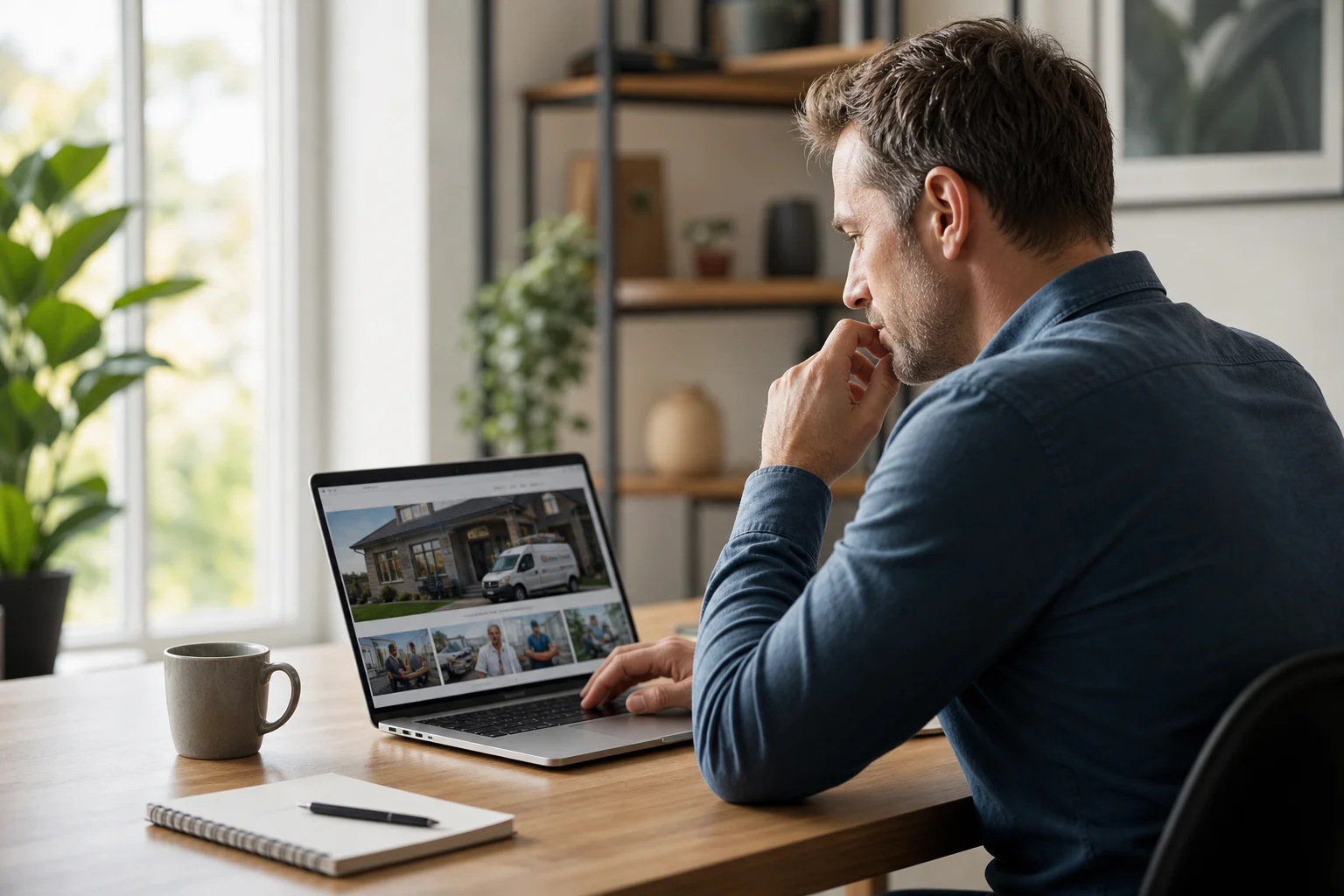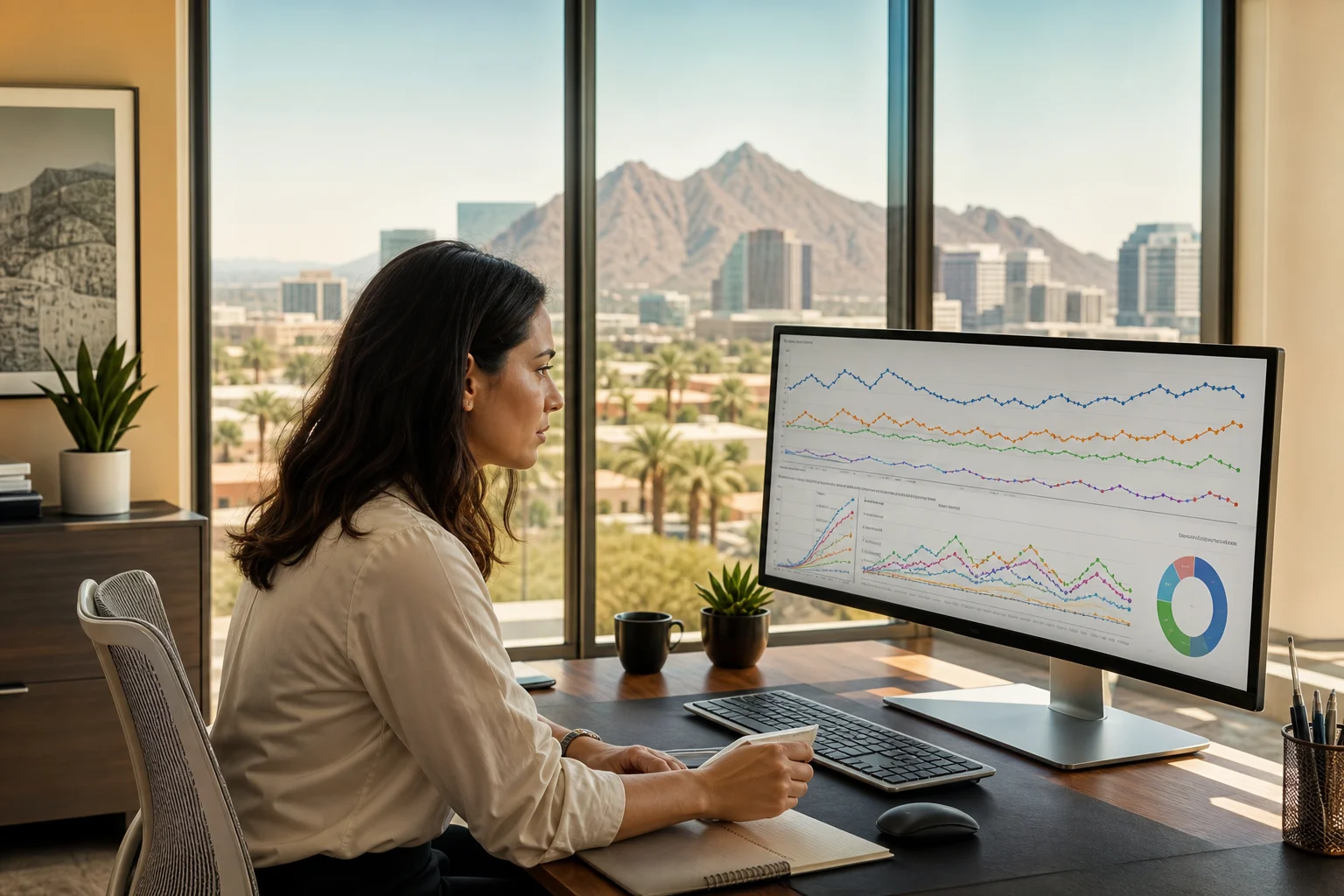
Your website might look great and still be quietly bleeding leads. How a slow website quietly costs you leads you never see comes down to seconds: shoppers and homeowners bail before your offer ever loads, and Google notices too. If your website design services haven't been built for site speed, you're paying for traffic that never converts.
By Brotherly SEO Team
The Three Second Rule Nobody Told You About
Google has studied this more than anyone. Their own research on mobile pages found that a one second delay in load time can drop conversions in a way most business owners never trace back to their website. If your site takes three seconds load, you've already lost close to half the people who clicked your ad or your Google listing. A slow load doesn't feel dramatic from the inside. Nobody screams. Visitors just quietly disappear.
A slow website is a billboard nobody can read from the freeway. It doesn't matter how good the message is if nobody sees it before they pass by. A slow website feels off before a visitor even reads a word, and "feels off" is enough reason to hit the back button and call the next business on the list.
For local businesses, whose sites live and die by mobile searches in the middle of a workday, that gap adds up fast. It's not one lost lead. It's a slow, steady leak that never shows up as a single dramatic number on a report, so most owners never connect it to their website at all.
We've sat across the table from business owners who swore their marketing was broken when the real problem was their homepage. A Phoenix plumbing client came to us convinced their Google Ads were the issue, when the actual leak was a homepage stacked with heavy sliders that took visitors nearly the full three seconds just to render above the fold.
How a Slow Website Quietly Costs You Leads You Never See (And Why It's Easy to Miss)
Here's the mechanism, plain and simple. Someone finds your business on Google, on a Facebook ad, or from a referral. They tap through on their phone. If the page hasn't loaded within a couple seconds, they assume the business is disorganized, even if the actual work you do is excellent. That assumption costs you the lead before you ever get a chance to make your case.
Slow pages drive bounce rates up fast, and once someone bounces, they rarely come back to try again later. Google also factors page experience into how it ranks local businesses, so a slow site doesn't just lose the visitor in front of you. It makes you harder to find for the next ten people searching the same thing tomorrow. This is why our SEO services always start with a technical look at speed before we touch a single keyword.
Paid traffic makes the math worse. Every click on a Google Ads campaign or a boosted social post costs real money, and every one of those clicks lands on the same slow homepage. You're not just losing organic visitors quietly. You're paying to send people straight into the same wait, which means your cost per lead climbs even though nothing about your targeting or your offer has changed.
What's Actually Slowing Your Site Down
Most slow websites share the same handful of problems. Oversized images that were never compressed before they got uploaded. Cheap hosting that isn't fast enough to handle more than a few visitors at once. Bloated page builders stacked with plugins nobody remembers installing. Video backgrounds that look nice on a desktop and grind to a crawl on mobile. Most business websites were built for looks first, speed second, if at all.
There's also a quieter culprit: third party scripts. Chat widgets, tracking pixels, review badges, and font libraries all get added one at a time over the years, and each one adds its own small delay. None of them look dangerous on their own. Stacked together, they're often the real reason a site that "should" be fast still crawls.
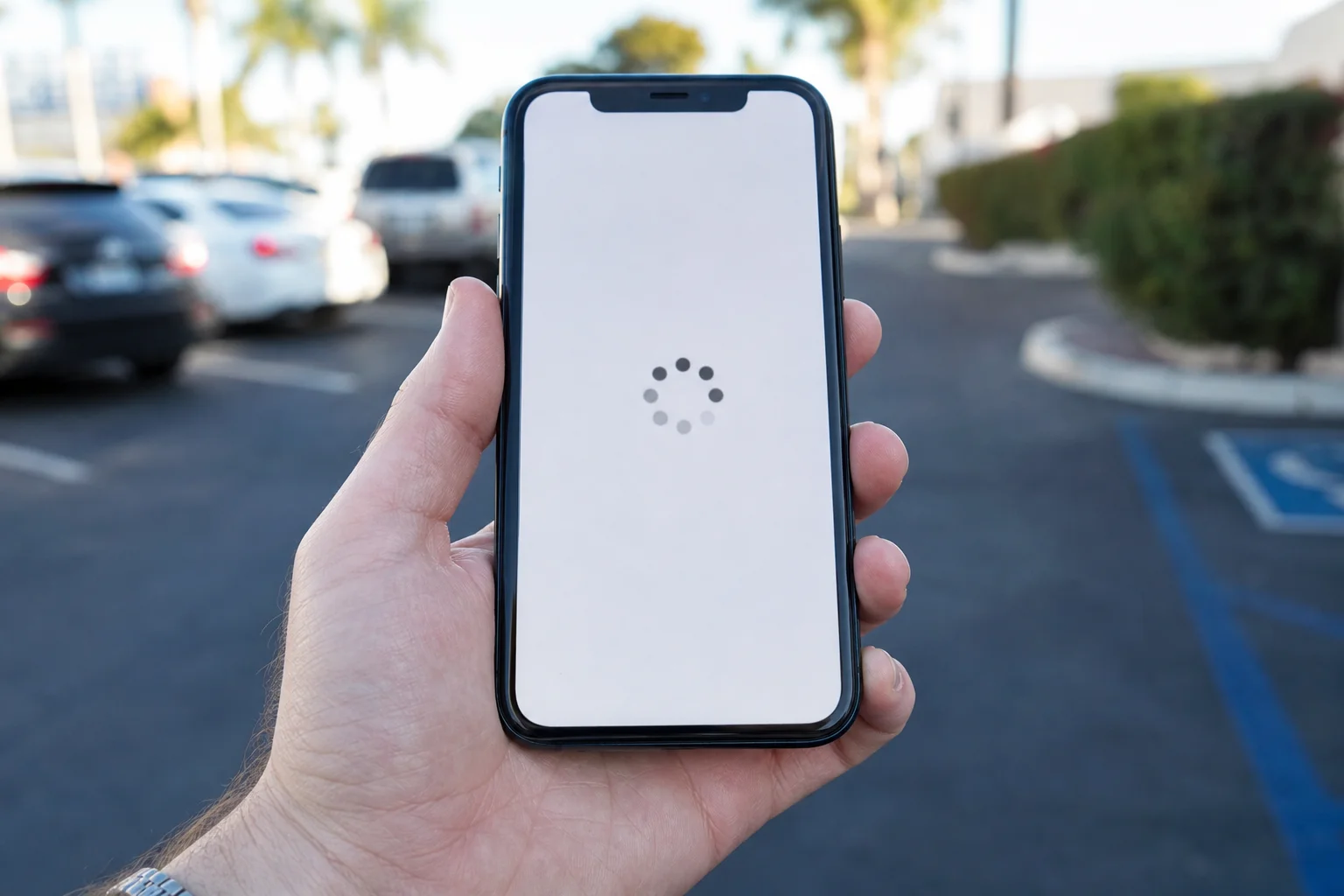
None of this shows up if you glance at the homepage on your own laptop with a fast office connection. It shows up when a real visitor, on a real phone, on real cell signal, tries to load your site standing in a parking lot. A page can look fine one moment and feel like it never loads the next, depending on network conditions. That gap between how a site feels to the owner and how it actually performs for users is where most leads quietly disappear.
How to Read Your Own Numbers
You don't need to be technical to check this yourself. Open Google's own PageSpeed Insights tool, paste in your homepage, and look at the score. Anything deep in the red means visitors are waiting longer than they should, and that wait is measured in lost leads, not just lost seconds. The tool also breaks performance into a few plain categories: how fast the page shows up, how quickly you can actually tap something, and whether the layout jumps around while it loads. All three matter, and all three get worse the more a homepage is loaded down with heavy media and scripts.
A slow site is also worth checking against your own industry. A landscaping company competing for weekend homeowners in a Phoenix summer, or a general contractor bidding jobs against three other companies in home services, cannot afford a page that takes five seconds to show a phone number. We've watched a faster, fixed technical foundation turn browsing traffic into actual booked jobs within a few weeks, not months, without changing a single word of the offer itself.
Frequently Asked Questions
How much does site speed actually affect my leads? Google's own research on mobile page speed has shown that even a one second delay in load time can measurably drop conversions. For a local business, that usually shows up as fewer phone calls and form fills from people who found you through search or ads, even though the traffic numbers look fine on the surface.
What's a normal load time for a small business website? Most experts point to under three seconds as the target for a homepage on mobile. Past that, bounce rates climb fast. If your site takes longer than that consistently, especially on a phone with average signal, you're likely losing visitors before they ever see your offer.
Can I test my own site speed for free? Yes. Google's PageSpeed Insights tool is free and will score both your mobile and desktop performance, plus point out the biggest slowdowns like unoptimized images or excess scripts. It's a good first look, though fixing what it finds usually takes more than a plugin toggle.
Does a slow website actually hurt my Google rankings, or just user experience? Both. Google factors page experience into how it ranks local businesses, so a slow site can quietly cost you visibility as well as visitors. It's not usually the single biggest ranking factor, but paired with weak content or thin local signals, it adds up fast.
Is a slow website worth fixing before I spend more on ads? In most cases, yes. Paying to send more traffic to a slow website just means paying to lose more leads. Fixing site speed first makes every dollar you spend on ads or SEO afterward perform better, since more of that traffic actually sticks around long enough to convert.
Get Your Free Site Speed Diagnostic From Brotherly SEO
A slow website is fixable, and most of the time it's fixable faster than people expect. If you want a straight answer on what your site is actually costing you in real leads, book a free consultation and we'll show you exactly where the speed is leaking out.
Want us to do this for you?
Brotherly SEO builds and runs the strategy described here for service businesses across the country.
Book a free consultation